Community Recycling Centres are NOW OPEN across Southern Sydney

Your local CRC makes it easy to responsibly dispose of a wide range of household items, helping to reduce waste and protect the environment.
 What can I dropoff?
 Find a centre
 FAQs?
FAQs?What can I drop off for FREE?

Household, motorcycle and car batteries
Wear gloves when handling. Solar panels and large energy storage batteries are not accepted. E-cigarettes and vapes are potentially very dangerous and can readily ignite.
Recycle these at Embedded Battery Trial locations and Household Chemical Cleanout Events.
Find out more
- Learn more about safe battery transport
- How should I store used batteries at home?
- Visit B-Cycle to find other drop off locations
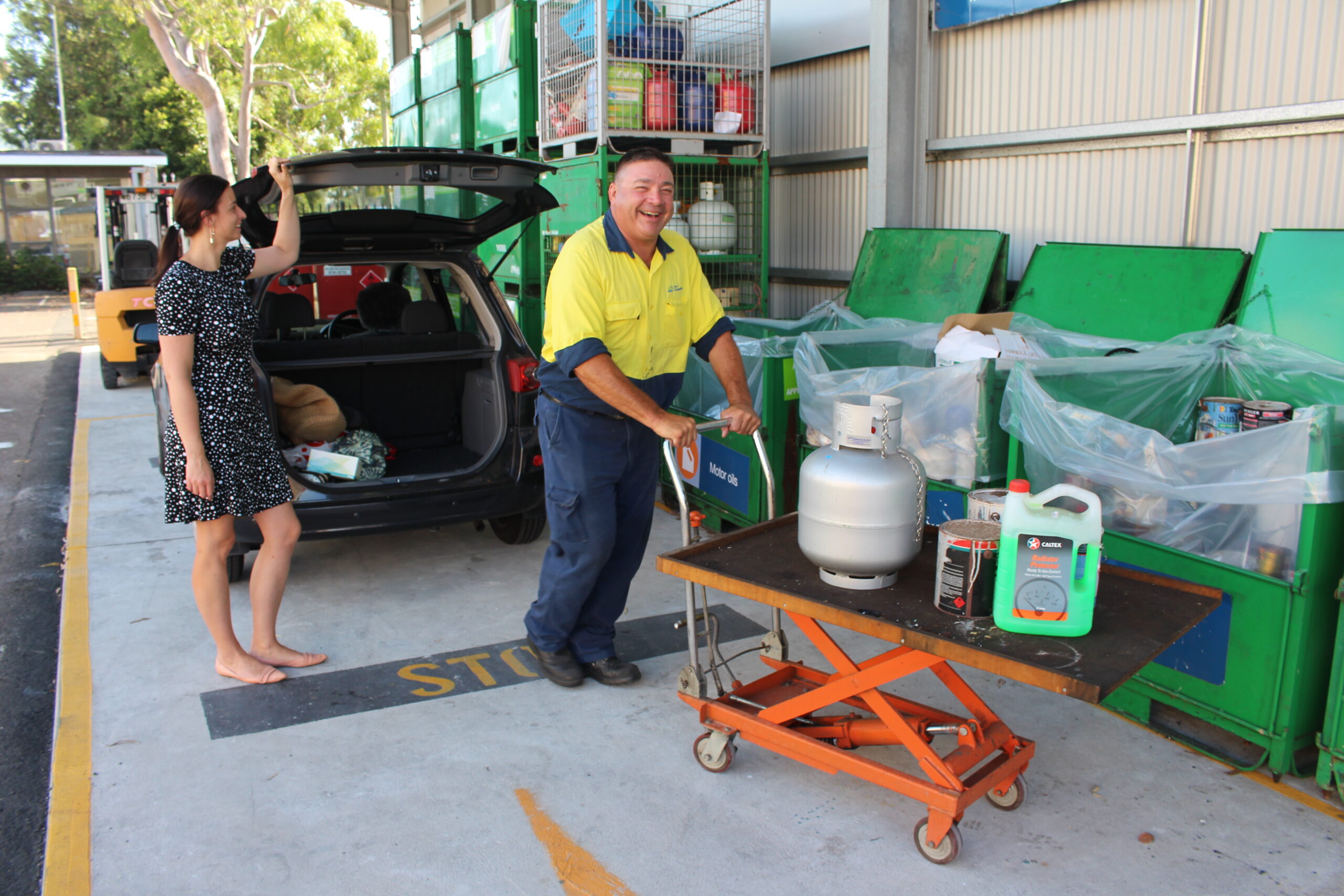
Gas and LPG bottles
LPG, “nangs”, gas cannisters and fire extinguishers are potentially very dangerous in waste streams and garbage trucks.
Find out more
- Drop off any type used for BBQ, camping, portable cooktops or caravan. Oxygen, butane, helium etc canisters are also accepted.
Paint
Oil based and water-based tins of paint in liquid form. Solvent based paint, metallic enamel paint and epoxy paint are also accepted.
Tip: Paint will only be accepted sealed and in its original packaging. Paint glass jugs or paint trays are not accepted.
Find out more
- Some CRCs take commercial quantities of paint, but many do not. Check with your local CRC first.

Fluoro globes and tubes
All types are accepted. Light fittings are not accepted.
Tip: wrap broken globes or tubes in newspaper or plastic bag. Store and transport safely. Wear gloves when handling.
Find out more

Used motor oils and cooking oils
Accepted items include containers of sump oil, engine oil, two and four stroke oil, lubricating oil etc.
Also accepting containers of cooking oils, auto transmission fluid, brake fluid, hydraulic fluid, power steering fluid, engine coolant.
Tip: Ensure containers are sealed. Group together in a box or a protective mat.
Find out more

Smoke detectors
Any type used in the home are accepted.
Tip: remove the batteries first.
Find out more
Check each Community Recycling Centre for details on what other problem waste materials can be dropped off for recycling or safe disposal. Only household quantities are accepted per visit: Maximum 20 litres or 20 kilos of each material accepted.
Where is my nearest Community Recycling centre?
To look up other items to drop off for recycling, visit Recycling Near You.
Frequently asked questions
Recycling
What happens to items after I drop them off?
- Batteries recycled correctly can recover 95% of battery components, and can be turned into new products
- Paints are mixed with other waste solvents and used as an alternative to fuel in cement kilns. The metal containers are recycled.
- Lead acid batteries are sent to recyclers where the lead, acid and plastic are recovered and recycled.
- Fluorescent tubes and globes contain mercury. Recyclers crush the tubes to separate the phosphor powder from the glass. They filter this to capture fugitive mercury emissions. The mercury is then separated by distillation and sold for a range of industrial uses. Metals are also recycled.
- Gas bottles have residual gas captured for reuse. Undamaged bottles are retested, restamped and entered back into the hire industry. Damaged bottles are punctured and recycled as scrap metal.
- Used oils are processed to become a lubricant or used for waste to energy.
- Electronic/E-waste is collected and recycled in Australia. Hazardous components are removed, and items such as steel, copper and aluminium are processed to be sold into Australian markets to make new products. No whole units are exported or sent overseas for processing.
For more information about what happens to problem wastes check out What Can I Drop Off?
Why should I use the CRCs or Household Chemical Cleanouts?
Problem waste dropped off at Community Recycling Centres will be reused, recycled or disposed of safely. By sorting your waste and taking it to your local centre, you will:
- Save money – it’s free!
- Reduce waste to landfill
- Support a safer and cleaner environment
Why can’t these items be disposed in my red, yellow or green bins?
Most items accepted at the CRC can be reused or recycled, but cannot be safely and effectively separated from general waste and comingled recycling.
When hazardous wastes are compacted, they can cause truck or facility fires. Paints and liquid wastes can contaminate the general stream and cause severe health, safety and environmental risks.
Storage and Transport
What’s the best way to store items?
Stow until you can go. With small amounts e.g. batteries or a few paint cans, it’s not always practical or convenient to visit a local CRC. Instead, set up easy and safe storage at home and ‘stow until you can go’ to make the most of your next trip to the CRC.
What’s the best way to transport items?
Protect your vehicle by placing items in boxes or trays to capture any leaks or breaks. Place a protective mat or sheet in the boot, and try to prevent items from tipping over.
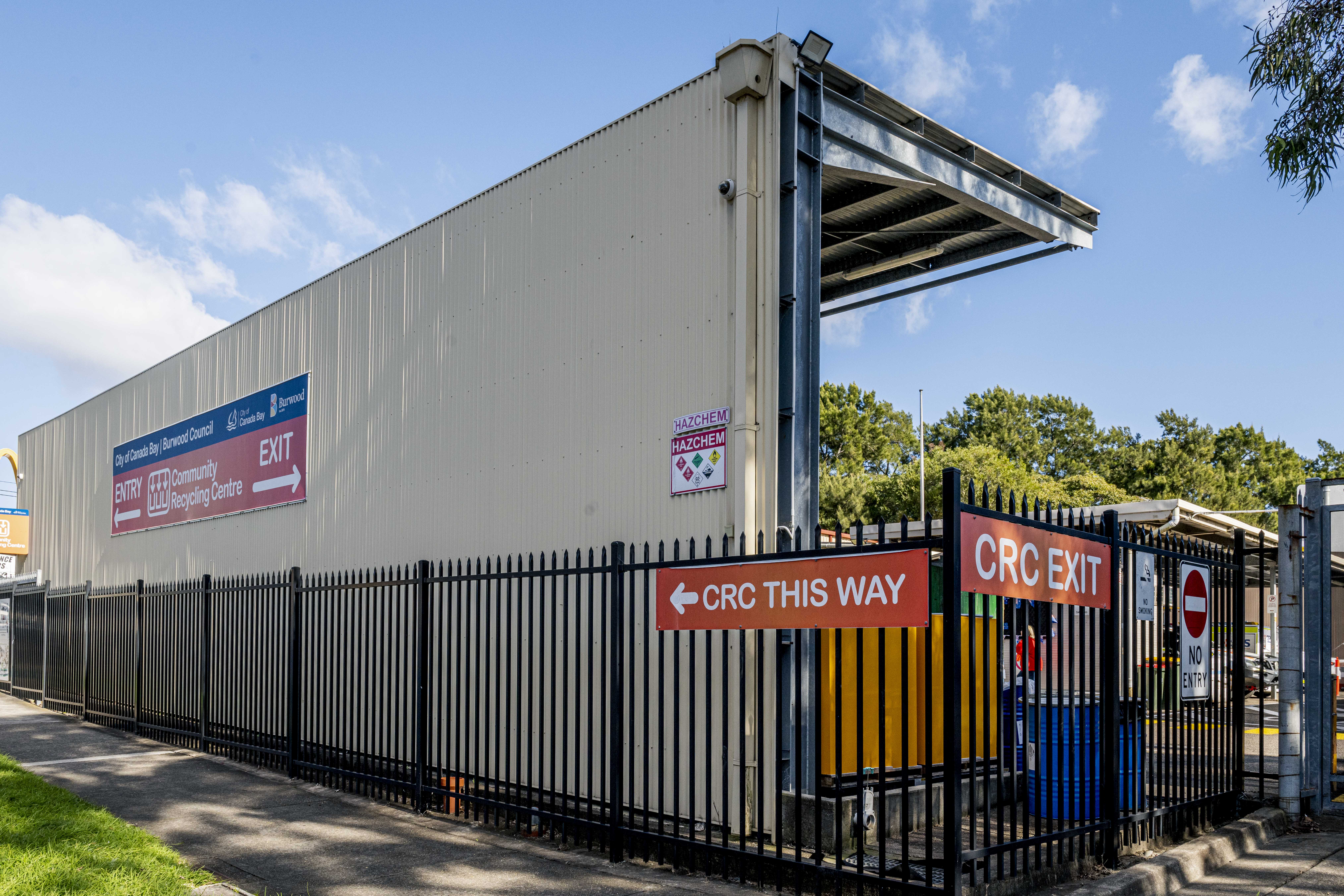
Community Recycling Centres



Community Recycling Videos
For more information on the CRC program, contact your local council or visit:
www.epa.nsw.gov.au/recyclingcentres